Ledger Start Guide – Easy Setup & Crypto Safety
Cryptocurrencies have become a cornerstone of the modern digital economy, offering unprecedented opportunities for investment, trading, and financial freedom. However, with these opportunities come significant responsibilities—particularly securing digital assets. Hacks, phishing attacks, and exchange vulnerabilities make self-custody essential for anyone serious about crypto. Ledger, a leading hardware wallet provider, addresses this challenge by combining robust hardware security with user-friendly software, and this guide will show you how to start safely with your Ledger device.
This Ledger start guide covers everything from unboxing your device to setting up your first wallet, securing your private keys, and understanding best practices for long-term crypto safety.
What Is Ledger?
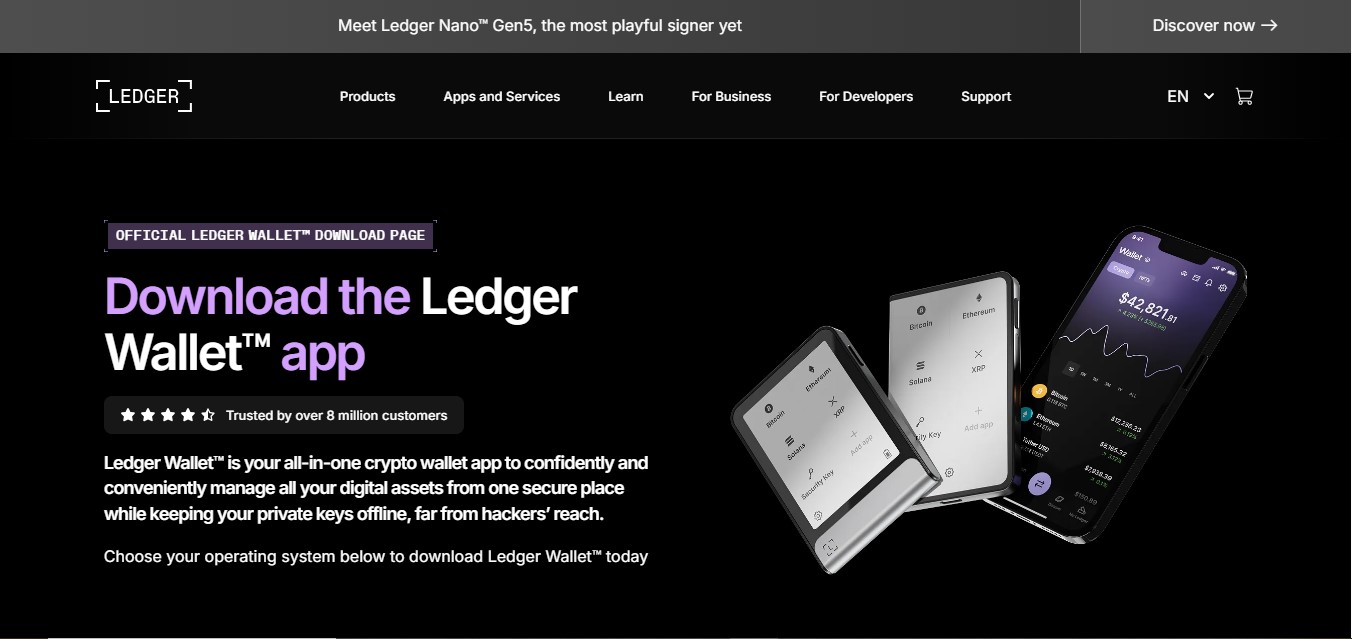
Ledger is a trusted name in cryptocurrency security. The company offers hardware wallets like the Ledger Nano S Plus and Ledger Nano X, which store private keys offline, making them immune to malware or unauthorized access on your computer or mobile device. Ledger’s Ledger Live software works in tandem with the hardware device, allowing users to manage cryptocurrencies safely, including sending, receiving, swapping, and staking tokens.
Ledger is suitable for beginners and experienced users alike, providing a secure yet accessible way to maintain full control over your digital assets.
Unboxing Your Ledger Device
When you receive your Ledger wallet, you should always ensure that the packaging is intact and genuine. Ledger devices come with:
The Ledger hardware wallet (Nano S Plus or Nano X)
USB cable for connection
Instruction manual
Recovery sheet for writing down your seed phrase
Important: Never use a device if the packaging appears tampered with. Ledger hardware wallets are tamper-resistant, but verifying authenticity is the first step in crypto safety.
Step 1: Connect Your Ledger Device
Plug in your Ledger device using the provided USB cable.
Power on the device. The screen will display options for “Configure as new device” or “Restore from recovery phrase.”
For first-time users, select “Configure as new device” to start fresh. If you already have a Ledger wallet and a recovery phrase, choose “Restore from recovery phrase.”
Step 2: Set Up a PIN Code
A PIN code protects your Ledger device from unauthorized access. The device will prompt you to:
Choose a 4–8 digit PIN.
Confirm the PIN by entering it again.
Tips for PIN safety:
Do not use easily guessable numbers (e.g., 1234, 0000).
Memorize your PIN; do not store it digitally.
Enter your PIN discreetly to prevent shoulder surfing.
Step 3: Generate a Recovery Seed
After setting your PIN, the Ledger device will generate a 24-word recovery phrase. This phrase is the most critical backup for your wallet:
Write the 24 words on the provided recovery sheet.
Store the sheet offline in a secure location, such as a safe or safety deposit box.
Important: Never take a photo, store it on your computer, or share your recovery phrase. Anyone with access to this phrase can control your crypto assets.
Ledger may also support passphrase-protected wallets, which allow you to create hidden accounts for extra security.
Step 4: Install Ledger Live Software
Ledger Live is the official desktop or mobile application for managing your Ledger wallet. It allows you to:
View balances and portfolio value
Send and receive cryptocurrencies
Stake supported coins
Buy, sell, or swap tokens
How to install Ledger Live:
Download Ledger Live from the official Ledger website.
Install the software on Windows, macOS, or Linux.
Open Ledger Live and follow the prompts to connect your Ledger device.
Ledger Live will automatically guide you through device pairing, firmware updates, and wallet setup.
Step 5: Add Cryptocurrency Accounts
Once Ledger Live is installed and your device is connected, you can add cryptocurrency accounts:
Open Ledger Live and click “Add Account.”
Choose the cryptocurrency (e.g., Bitcoin, Ethereum, Cardano).
Ledger Live will synchronize with your device to generate secure addresses.
You can add multiple accounts for the same or different cryptocurrencies, allowing you to manage a diversified portfolio within one interface.
Step 6: Sending and Receiving Crypto
Ledger Live enables secure transactions with your Ledger hardware wallet:
Receiving Crypto
Open the account in Ledger Live.
Click “Receive” and confirm the address on your Ledger device.
Share the verified address with the sender.
Sending Crypto
Click “Send” in Ledger Live.
Enter the recipient address and transaction amount.
Confirm the transaction details on your Ledger device.
Every transaction must be approved physically on the device, ensuring security even if your computer is compromised.
Step 7: Explore Staking and Rewards
Ledger Live supports staking for various cryptocurrencies such as Tezos, Ethereum, and Cosmos. Staking allows you to earn rewards by delegating coins to the network:
Select a supported cryptocurrency in Ledger Live.
Click “Stake” and choose a validator or staking option.
Confirm the operation on your Ledger device.
Ledger Live tracks staking rewards in real time, giving you an overview of your earnings without exposing private keys.
Security Best Practices
To maintain the highest level of crypto safety:
Keep your recovery phrase offline and secure.
Always verify transaction details on the Ledger device screen.
Use a strong PIN and consider passphrase-protected hidden wallets.
Update firmware and Ledger Live regularly to ensure protection against vulnerabilities.
Avoid downloading Ledger Live or device firmware from unofficial sources.
Consider a fireproof or waterproof safe for your recovery sheet.
By following these best practices, you reduce the risk of theft, hacking, or accidental loss.
Troubleshooting Common Issues
Ledger device not recognized:
Ensure the USB cable is properly connected.
Try a different USB port or computer.
Restart Ledger Live and your device.
Ledger Live not syncing:
Check your internet connection.
Ensure your device firmware is up to date.
Restart Ledger Live and reconnect the device.
Forgot PIN:
If the PIN is forgotten, you will need the 24-word recovery phrase to reset the device and restore access.
Ledger provides detailed support guides and a responsive support team for troubleshooting.
Why Ledger Is Trusted
Ledger is recognized globally for hardware wallet security and software reliability:
Over 5 million devices sold worldwide.
Private keys are never exposed online.
Ledger Live integrates portfolio management, staking, and transaction monitoring in one interface.
Regular updates enhance security, functionality, and cryptocurrency support.
Ledger has become a trusted standard for individuals and institutions seeking secure crypto self-custody.
Conclusion
The Ledger start guide demonstrates that setting up a Ledger wallet and Ledger Live is easy, secure, and reliable. From connecting your device and creating a recovery phrase to managing crypto accounts, sending transactions, and staking coins, Ledger provides a comprehensive and user-friendly ecosystem for crypto management.
By following this guide and adhering to security best practices, you can confidently take control of your digital assets while minimizing risk. Ledger empowers you to manage your cryptocurrencies safely, ensuring that your investment remains fully under your control in the evolving world of digital finance.